

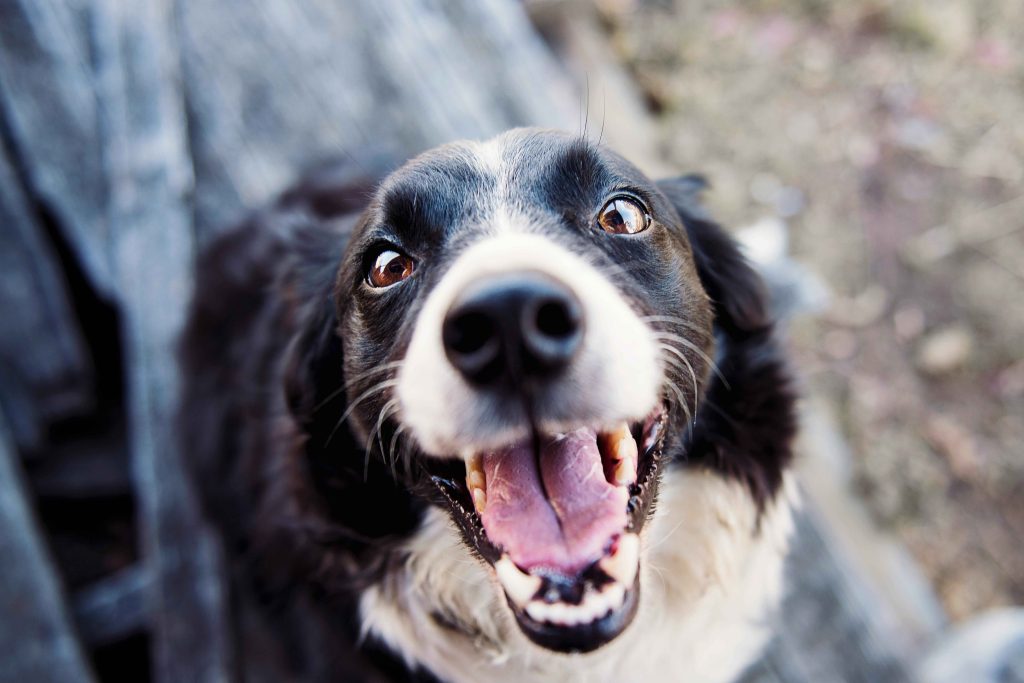
Relocating is a significant change, not just for people, but for the animals who travel with us. Even when a journey is well planned and professionally managed, arriving in a new place can feel easily unfamiliar and unsettling.
At Jetpets, we see the full relocation journey every day. While our focus is on making travel as calm and safe as possible, we know that what happens after arrival plays a major role in your pets’ long-term wellbeing.
With the right support, most pets and companion animals adjust well. It just takes time, consistency and a thoughtful approach.
Here, we’ll outline how to recognise signs of being unsettled, and provide some practical ways to help animals settle into their new surroundings.
Why Relocation Can Be Challenging for Pets
Animals are creatures of habit. Familiar environments, predictable routines, and known scents all contribute to a sense of security.
Relocation disrupts many of these elements at once. Even a domestic move can feel disorienting, while international pet relocations may also introduce longer travel times, different climates, and unfamiliar surroundings. Cats, dogs, and other companion animals may respond in different ways, but a period of adjustment is entirely normal for all of our furry friends.
How Animals Experience Change
Animals experience change through their senses. New sounds, surfaces, smells, and routines can be stimulating or overwhelming, particularly when they all come together.
Some pets may show signs of being unsettled immediately, while others appear settled at first and react days or weeks later.
Remember that these responses are not a sign that something has gone wrong, and in most cases, are part of a natural adjustment process.
Recognising Signs of Being Unsettled After a Move
Behavioural and Physical Signs to Watch For
In the weeks following relocation, it’s important to observe behaviour and general wellbeing. Signs that an animal may be unsettled include:
- Reduced appetite or changes in drinking
- Restlessness or withdrawal
- Disrupted sleep
- Increased vocalisation
- Digestive changes
Common Signs in Cats and Dogs
Cats and dogs may also show restlessness through:
- Hiding or reluctance to explore
- Increased clinginess or avoidance
- Changes in toileting habits
- Pacing or heightened alertness
If your fury friend is displaying any of these signs, make sure that you:
Set Up a Calm and Familiar Environment
One of the most effective ways to support adjustment is to start small. A quiet, low-traffic space with familiar bedding, toys, crates, or carriers allows an animal to decompress after arrival.
Familiar scents help to bridge the gap between old and new environments. Items from their previous home can provide reassurance and help animals orient themselves more quickly. Once their safe space is set up, it can provide a secure base from which they can explore the rest of the home when they feel ready.
Introduce Companions to Their New Surroundings
Taking a Gradual Approach to Exploration
Once an animal appears relaxed in their safe space, exploration can be expanded gradually. We suggest introducing one area at a time to prevent overwhelm and support confidence-building.
Some pets will be curious straight away, while others prefer to observe before engaging. Both responses are normal, and you should let them work at their own pace.
Outdoor Access and New Environments
For animals that spend time outdoors, early exposure should be calm and controlled. Short, quiet walks for dogs or supervised outdoor access for other furry friends help them become familiar with new surroundings safely.
This is particularly important in unfamiliar neighbourhoods or new climates.
Re-Establish Routine and Predictability
Feeding, Activity, and Rest Schedules
Routine is one of the strongest stabilising factors after a move, both for people and their pets. Returning to familiar feeding times, activity levels, and rest periods as soon as practical provides predictability and reassurance.
Even small consistencies can make a meaningful difference.
Adjusting Routines After Interstate or International Moves
For longer relocations, routines may need minor adjustments due to time differences or daylight changes. If this is the case, then, where possible, gradual shifts are generally easier for animals to adapt to than sudden changes.
Support Social and Environmental Integration
New people, neighbours, and other animals should be introduced calmly and without pressure. These positive, controlled interactions allow pets to build trust at their own pace. Some will enjoy social contact quickly, while others may need more time, so just follow their lead.
Confidence develops through repeated, positive experiences. Calm handling, gentle encouragement, and patience help animals feel secure in their new environment.
Tools and Support That Can Help Ease the Transition
Enrichment activities, familiar toys, and quiet downtime can all support during the adjustment period. While some nerves are normal in the beginning, if you think your pet’s restlessness is extending beyond what you consider ‘normal’ for them, then it may be time to call in some outside help.
If concerns arise, a veterinarian or qualified animal behaviour professional can provide tailored advice specific to your buddy, to help put them at ease asap.
How Jetpets Helps Minimise Being Unsettled From the Start
A smoother adjustment often begins well before arrival. At Jetpets, careful planning, experienced handling, purpose-designed transit lounges, and veterinary involvement all work together to reduce restlessness during travel.
By supporting animals throughout the journey, we help set them up for a more comfortable transition into their new home.
Helping Animals Feel at Home Takes Time
Every relocation is different, and every animal adjusts in their own way. With patience, consistency and the right support, most companions settle in well and begin to feel at home.
If you’re planning a future move or have questions about pet travel, the Jetpets team is always here to help.
The above information is a guide only and serves to provide general advice only. Each animal and circumstance may be different, depending on the individual situation.