Moving Interstate With Your Pet?

Are you moving interstate in the near future? Not sure where to start when it comes to arranging your pet’s transport? Here at Jetpets, we can help take care of all your pet travel needs to and from any location within Australia.

So how does it work?

Our Pet Travel Consultants will…

  • Find out all about your VIPs – very important pets!
  • Provide expert advice on preparing your pet for travel
  • Decide on the best sized travel crate
  • Book your pet on the most direct flight
  • Arrange a comfort stop along the way
  • Arrange a door to door service where required
  • Prepare your special detailed itinerary

Other parts of our service which make us unique:

  • We have Jetpets Resident Vets on staff to ensure your pet is healthy and fit for their journey
  • We also offer Jetpets Transit Lounge access, for your pet to have a stretch and relax out of their crate before their flight
  • Jetaway Travel (our sister company) can book your flight to match your pets if need be
  • We offer 24 hours, 7 days a week, 365 days a year customer service

Did you know?

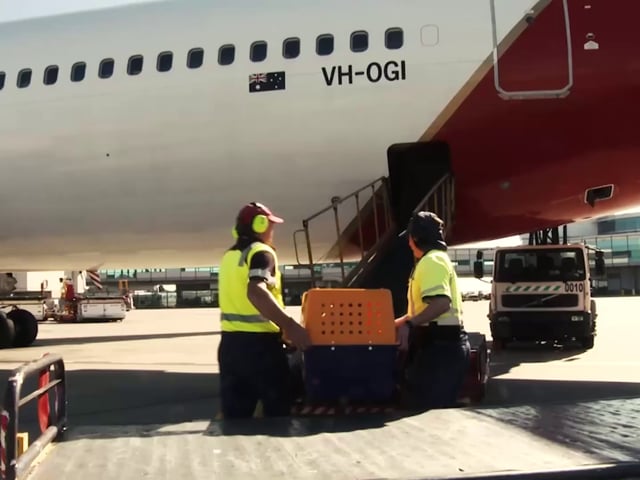
  • The captain of the aircraft is aware that your loved one is on board their flight
  • The captain will set the temperature to approx. 18 degrees celsius so that they are comfortable
  • The pets cabin is dimly lit so that your loved one can see what is going on around them
  • What we feel and hear in the cabin of the plane is the same as what your pet will experience (except in a travel crate they have much more leg room than us!)

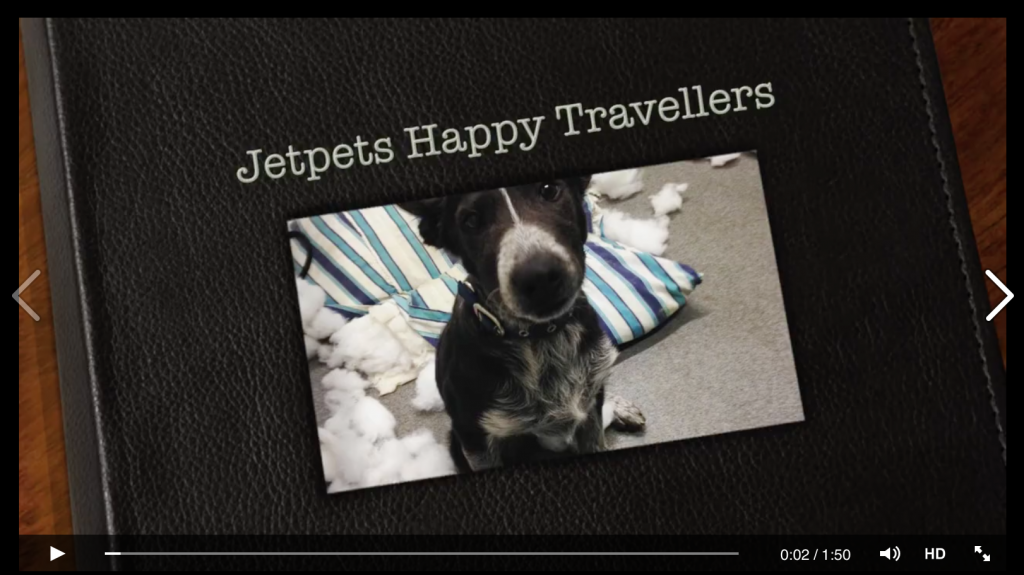
Watch How It Works… 


Travelling (By Car or Plane) With Your Pet

Travelling (By Car or Plane) With Your PetYou’ve just made the decision to take your furry friend on holidays with the family. And why wouldn’t you? Taking your pet on vacation with the family can be an incredibly rewarding experience and saves the inevitable separation anxiety you (and your pet) may experience!

At Jetpets, we are often surprised by how many people tell us that they wouldn’t know how to go about taking their pets on holiday with the family. In actual fact, it’s a really simple process and in many cases it can be more cost-effective than boarding your cat or dog in a kennel. Pet Transport, whether by car or plane needn’t be overwhelming. If you have any questions, please contact one of our pet transport consultants who are more than happy to help!

There are a few things to keep in mind when travelling with dogs or cats. The first step is a check-up with your Vet, to ensure your pet is healthy enough to travel. They must be up to date with their vaccinations, as well as their worming, flea and tick treatments.

Another benefit of taking your pet to the Vet just before travelling? It will get them used to (or re-accustomed to,) their travel crate – just make sure it’s an enjoyable experience!

When it comes to getting your pet used to their cat or dog crate, it’s a good idea to associate the experience with positive things, such as food rewards, play and encouragement, which will help them feel more comfortable and at ease.

Are you driving or flying with your pet? If you’re flying with your pets, we can help! At Jetpets, we’re the pet transport experts and our consultants are ready to help you out with all the info you might need, from Vet requirements, through to door-to-door transport and state regulations.

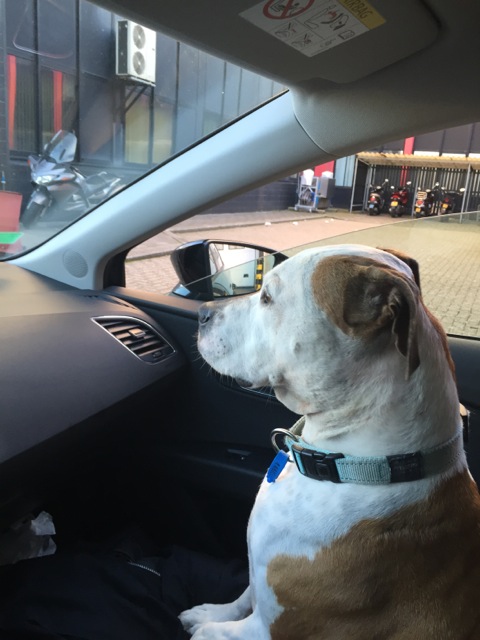
If you are driving, don’t forget to check the state laws concerning animals in vehicles when taking your pet in the car. And as always, never leave your pet locked in the car during pit stops or while destinations that are not pet friendly. When travelling with dogs or cats, a little forward planning goes a long way!

When you get to your destination, whether you’re driving or flying with your pet, we recommend having the contact details of your vet on hand – just in case.

Enjoy your vacation with your pets!


Moving House With Your Pet

Are you moving house and concerned about settling your pets into a new environment? We’ve put together our top tips to help make the transition as smooth and stress free as possible – for both you and your pet.

Cats

In Preparation:

If your cat is moving interstate or overseas by air, it’s a good idea to familiarise them with their travel crate well in advance. Make interacting with the crate a fun experience, so that when the time comes to move, they won’t be scared.

While Packing and Moving Out:

Amigo | Pet Transport Australia | Dog Transport | Flying Animals | Jetpets

Ensure your cat is in a secure room or in their crate before the removalist arrives. Your cat can easily become stressed by all of the unusual movement in the house, and securing them in a room or crate is the best way to prevent this – and to ensure they don’t accidently get packed away with the rest of your belongings and shipped off!

Arriving At Your Destination:

To make the transition to the new home as stress free as possible, wait until all removalists, friends and visitors have left before releasing your cat from their crate.

It’s a good idea to slowly introduce your cat to their new home, starting in a small, quiet room. Choose a room that your cat can ‘own’ for the next few days and place their food, water and litter in there, as well as a comfortable space to sleep and of course – somewhere to hide!

When the time comes to introduce your cat to the rest of the house, ensure all windows and doors are closed, and open fireplaces are covered, as cats have be known to use them as a hiding spot!

If your cat is feeling particularly stressed with the transition, you might consider using a pheromone spray such as Feliway to calm their nerves. Please contact your vet for more information on this.

If You Have An Outdoor Cat:

Transitioning a cat to a new, unfamiliar outdoor environment can be a difficult task. Make sure you supervise their first expeditions and only allow your cat outdoors for short periods over the first few weeks, until they form an attachment to their new home.

Dogs

Simba | Pet Transport Australia | Dog Transport | Flying Animals | Jetpets

You may not think it of our laid-back canine friends, but in some cases, dogs can actually be more difficult than cats to settle into their new homes!

In Preparation For The Move:

Just like with cats, it’s a good idea to get your dog used to his/her travel crate well in advance of the move. Check out this video featuring Sahara for some helpful hints.

Arriving At Your Destination:

Dogs get very attached to their home turf, so it’s a good idea to start settling your dog into their new routine as soon as you move in.

Walk your dog once daily, especially in the morning, along the same route each day. Not only will this familiarise them with their new neighbourhood and its smells, but it will also help burn off any excess energy they may have and reduce stress levels, which will help if you will generally be out during the day.

Settling In:

You may be tempted to buy new toys, accessories and bedding for your pet when you move into a new home. It’s best to avoid this as providing them with items they are familiar with will help make the transition less stressful.

Behaviour Issues:

If your dog is barking or digging excessively, you will need to consider the cause. Are they bored? Do they have separation anxiety? If the problem is not easily rectified with training and exercise, you may need to consult your vet for an effective solution.

Safety:

Before you release your dog or cat into their new home, you should do a quick check on the following:

  • Check to make sure your garden fences are secure before allowing your pet into their new yard.
  • Be sure to check the garden beds in your new home for any rat or snail poison left in the yard by previous owners.
  • Discard any old bones or chewable objects that your pet might be tempted by in the new yard.
  • Make sure your pet is wearing a collar, and has an identification tag with your new phone number. It’s wise to have your pet registered with up to date address information, so that should they go missing, you will be contacted immediately.

As always, these things take time. Feel free to contact your pet travel consultant at any stage of your journey should you have any concerns.

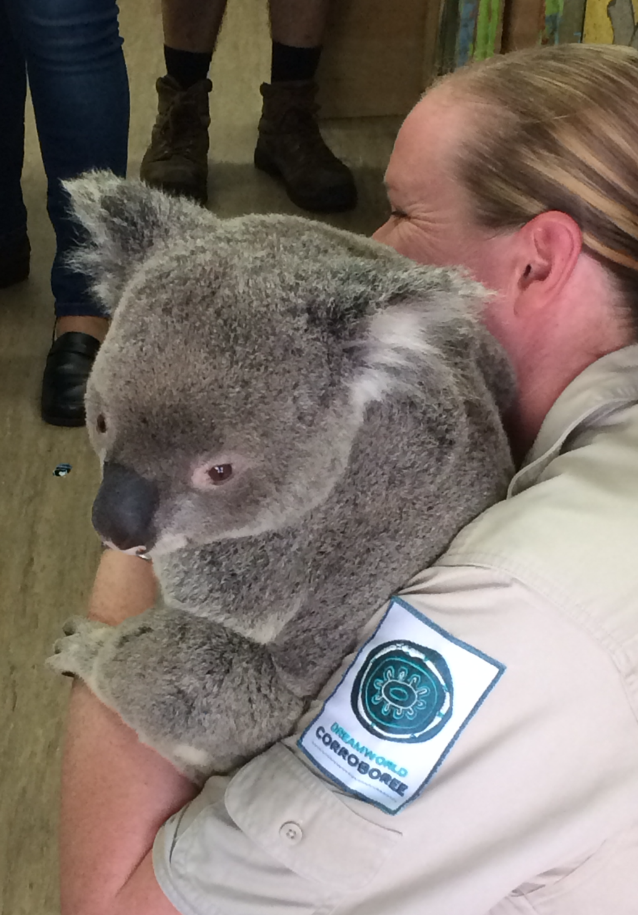
Koalas head to Hirakawa Zoo

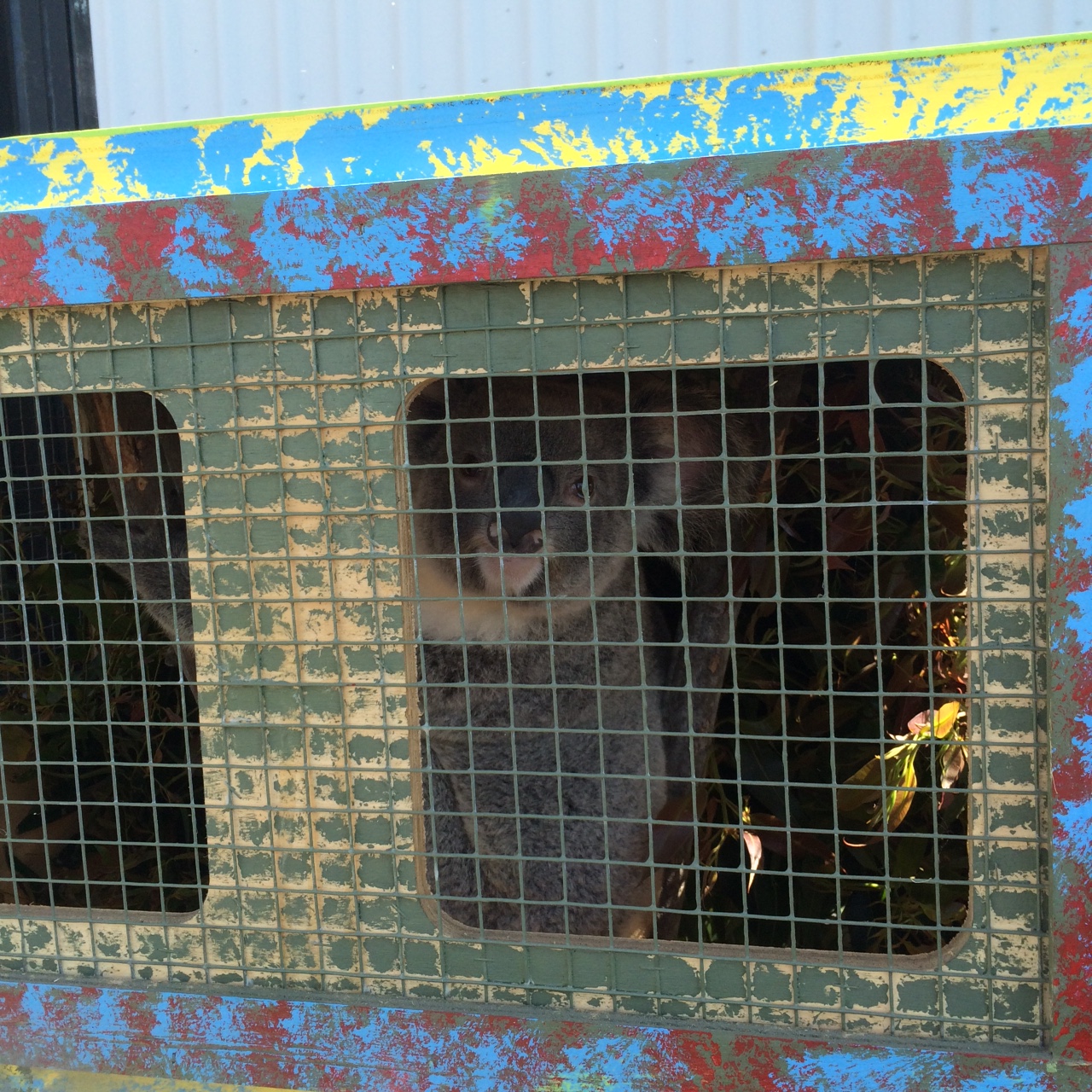
Last month we were lucky enough to transport 3 beautiful Koalas to their new home at Hirakawa Zoo in Kagoshima, Japan!

The Koalas, Boonda, Franc and Brandy, headed from their home at Dreamworld on the Gold Coast to Japan – in style! For the move, Jetpets had crates custom built just for them that featured Indigenous artwork created by the local Aboriginal community.

We were extremely excited to be a part of this move and know that our friends in Japan will enjoy visiting these Koalas in their new home soon!

For more information on Hirakawa Zoo, visit: http://hirakawazoo.jp/lang/en/

Jetpets were lucky enough to transport 3 beautiful Koalas to their new home at Hirakawa Zoo in Kagoshima, Japan!  We were lucky enough to transport 3 beautiful Koalas to their new home at Hirakawa Zoo in Kagoshima, Japan!


Moving Your Pet From Australia to Europe: What Pet Owners Need to Know

Moving overseas comes with plenty of planning, paperwork and logistics. When you’re bringing a pet along for the journey, there’s even more to consider.

At Jetpets, we’ve helped families relocate their pets from Australia to destinations across Europe for many years. Whether it’s a move to the United Kingdom, Ireland, France, Germany, Italy or beyond, we’ve seen firsthand the planning, preparation and questions that come with international pet travel.

While every relocation is different, careful planning and the right support can help make the journey as smooth as possible for both you and your pet. To help you prepare, we’ve shared some of the key things every pet owner should know before moving their pet from Australia to Europe.

Europe Isn’t One Destination When It Comes to Pet Travel

Are Your Pets Travelling With Us From Australia To Europe (Including The United Kingdom)?

A common misconception is that Europe has one set of rules for travelling pets.

In reality, every country has its own import requirements, documentation processes and timelines. While some destinations may share similarities, the steps involved in moving a pet to the United Kingdom can differ from those required for a move to Germany, France or Italy.

This is one of the reasons why international pet travel can feel overwhelming for pet owners. Understanding which requirements apply to your destination is one of the most important steps in planning a successful relocation.

Our experienced Pet Travel Consultants will work closely with pet owners to understand their destination, relocation timeline and individual circumstances before mapping out the most appropriate travel plan.

International Pet Travel Requirements Can Change

One of the biggest challenges with international pet travel is that requirements don’t always stay the same.

Government authorities regularly review import protocols, documentation requirements and arrival procedures. As a result, information that was accurate when you first started planning your move may change before you and your pet are ready to travel.

We stay up to date with the latest industry information and work closely with airlines, veterinarians, government departments and trusted international partners to help ensure your pet travels in accordance with current requirements.

It’s also important to remember that some requirements may apply to you as the pet owner, not just your pet. Depending on your destination, there may be specific arrival windows, customs procedures or documentation requirements that need to align with your pet’s journey.

For example, certain destinations require pet owners to enter the country within a specified timeframe of their pet’s arrival. You may be required to pay local country Value Added Tax (VAT) (ranging from upwards of 19% depending on the country) and potentially import duties based on the total value of the animal and transport costs.

Common Requirements for Travelling Pets

There are some common steps that many European destinations require before your pet can travel. These may include:

  • Microchipping so your pet can be permanently identified.
  • A valid rabies vaccination, which is a requirement for entry into many European countries.
  • Official veterinary documentation, such as a health certificate or third-country veterinary certificate.
  • Additional testing or treatments, depending on your destination and the latest import requirements.
  • Travelling within the required owner and pet entry timeframes, where applicable, to ensure the move is recognised as a non-commercial relocation.

What Pet Owners Often Don’t Expect About Moving a Pet to Europe

After helping thousands of pets relocate internationally, we’ve noticed there are a few things that often surprise pet owners.

Planning Usually Starts Earlier Than Expected

One of the most common things we hear is: “I didn’t realise how much planning was involved.”

Many people assume pet travel can be organised at the same time as booking their own flights and accommodation. In reality, international pet relocations often require preparation well before departure dates are confirmed.

Starting early gives you more time to understand destination requirements, organise veterinary appointments, complete documentation and secure suitable travel arrangements without unnecessary pressure.

Every Relocation Is Different

No two international pet relocations are exactly the same. The process can vary depending on your destination, your pet’s breed, age and size, airline availability, the time of year you’re travelling and even your final destination within a country.

That’s why a personalised approach is so important. What works for one family’s move to London may be completely different from another family’s relocation to rural France or northern Italy.

Moving a Pet Is About More Than Booking a Flight

Many pet owners are surprised to learn just how much coordination happens behind the scenes.

A successful international relocation often involves communication between airlines, veterinarians, government authorities, destination agents and travel specialists to ensure every part of the journey runs smoothly.

Having an experienced team managing these moving parts means you can focus on your own relocation, knowing your pet’s journey is being carefully planned too.

Preparing Your Pet for an International Journey

One of the biggest concerns pet owners have is how their pet will cope with a long-haul journey. While every pet is different, preparation can make a significant difference to their travel experience.

Some simple ways to help prepare your pet include:

  • Introducing them to their travel crate well before departure.
  • Maintaining familiar routines where possible.
  • Completing veterinary appointments and documentation within the required timeframes.
  • Allowing plenty of time for planning and preparation.
  • Seeking advice from experienced pet travel professionals.

How Jetpets Can Help

Moving your pet overseas is about much more than organising transport. From your first conversation with us, our Pet Travel Consultants work alongside you to understand your relocation plans, explain destination-specific requirements and coordinate every stage of your pet’s journey.

Whether you’re moving for work, family or a new adventure overseas, we can assist with:

  • International travel planning
  • Flight arrangements
  • Travel crate guidance
  • Veterinary and documentation requirements
  • Coordination with trusted partners throughout your pet’s journey
  • Ongoing support from departure in Australia through to arrival in Europe

Planning a Move to Europe With Your Pet?

Whether you’re moving to the United Kingdom, France, Germany, Italy or elsewhere in Europe, planning ahead is one of the best ways to help ensure a successful relocation.

International pet travel requirements can change, timelines can vary between destinations and every pet’s journey is unique.

Speaking with an experienced Jetpet’s pet transport specialist early means you’ll have the latest information, understand what applies to your specific destination and have support throughout the planning process.

Are Your Pets Travelling With Us From Australia To New Zealand?

Are Your Pets Travelling With Us From Australia To New Zealand?As you know, our dedicated team of Pet Travel Consultants are always working with government bodies and organisations across the globe to ensure that we can move your pets as smoothly as we can to their new homes.

With this in mind, we would like to fill you in on some proposed regulatory changes made by The New Zealand Ministry for Primary Industries (MPI) that are proposed to come into effect on December 1st, 2014.

Here’s a quick summary of what’s changing:

1. Veterinary animal inspections at international airport locations in New Zealand, (Auckland, Wellington and Christchurch,) will now take place during the following defined periods:

  • Auckland: 7:00 – 19:00
  • Wellington: 15:30 – 17:00
  • Christchurch: 13:00 – 17:00

Please note that the above times are now written as inspection times, not flight times, and will apply Monday to Friday (with the exception of public holidays and a period of time between and around Christmas and New Year.)

2. It is also proposed that arrival inspection fees will increase by approximately $150 for your first pet and $75 for each additional pet that you may have travelling with you.

Not sure what this means for you and your pet?

Don’t worry! Your Jetpets Pet Travel Consultant will talk you through these changes and will work closely with you to ensure a smooth journey for your furry friend into New Zealand.

As we mentioned above, these changes are currently in their draft stages and we will keep you up to date with any further changes as they come to light.

If you have any questions in the meantime, or if you are planning a trip to New Zealand in the future and just want to have a chat, please do not hesitate to contact a Jetpets Pet Travel Consultant on 1300 668 309.